
Updates

2026-05-23: Final Program published; browse sessions, themes, and people. Put together your personal schedule as export to your calendar. Download the book of abstracts.

2026-05-21: Registration is closed, SIG Writing 2026 will take place with roughly 200 participants. For late registration, please contact the organizers

2026-05-20: Program updated (both general overview and detailed schedule of presentations to cover final changes

2026-05-07: Program updated (both general overview and detailed schedule) to cover latest changes, dinner is currently sold out

2026-05-03: Program updated to cover latest changes

2026-04-29: Early bird rates closed

2026-04-12: Program updated to cover latest changes

2026-03-24: Program updated to cover latest changes

2026-03-14: Registration is open, information on travel and hotels available, preliminary program published

2026-03-01: Program structure published

2026-02-05: Notification of acceptance sent

2025-12-14: Submission closed

SIG Writing Conference 2026

Writing Research for Writing Practice

Logo SIG Writing 1

Conference dates: 2 - 4 June 2026

Location: ZHAW Zurich University of Applied Sciences, School of Applied Linguistics, Winterthur, Switzerland (Theaterstrasse 15c, Winterthur)


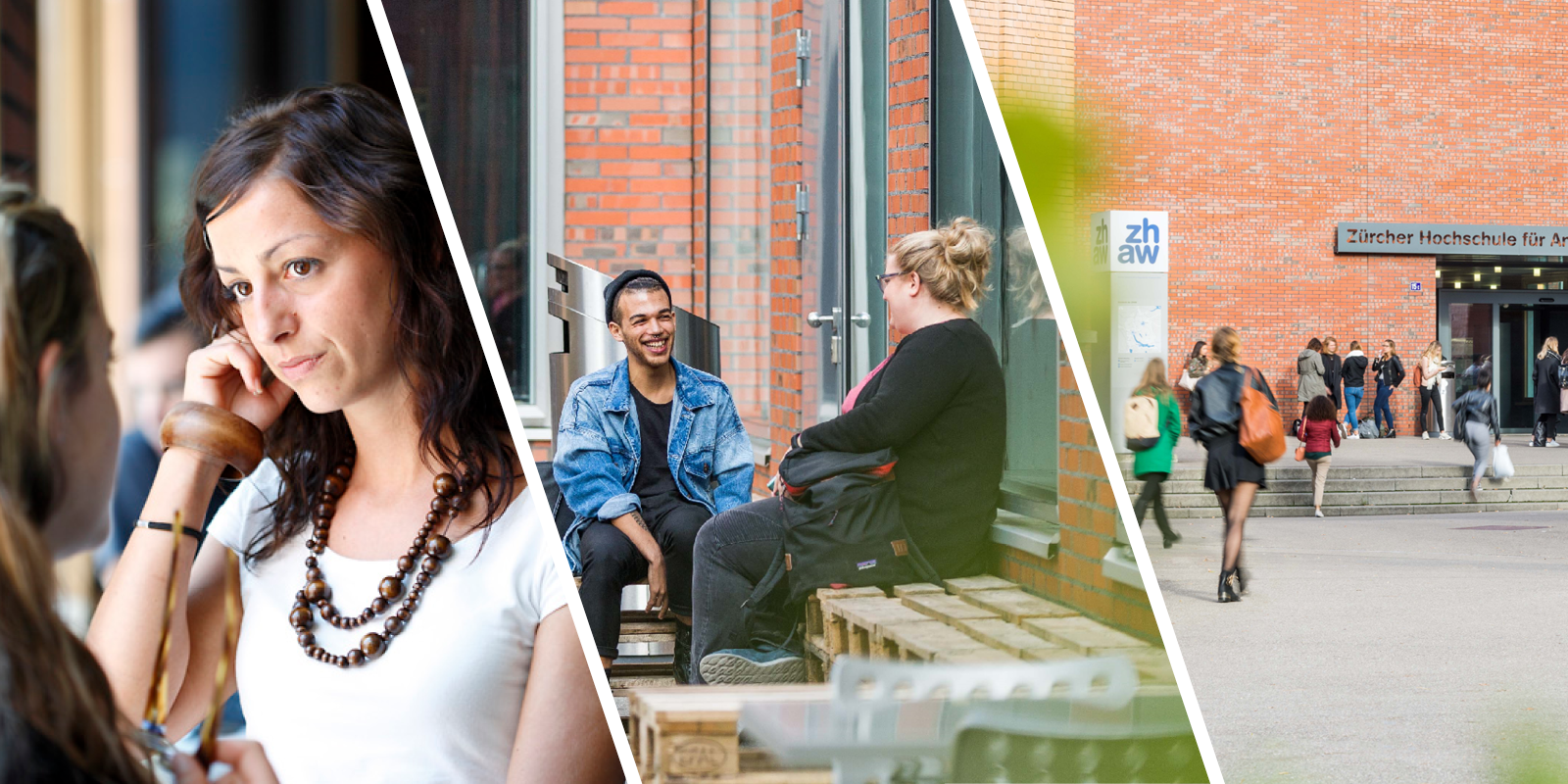
20251010 SIG Writing Conference Collage 002

The EARLI Special Interest Group Writing and the ZHAW School of Applied Linguistics, invite proposals to the 21st biennial SIG Writing conference to be held at ZHAW Zurich University of Applied Sciences, Winterthur, Switzerland, from June 2nd to 4, 2026. Prior to the conference, from May 29 to June 1st, 2026, the SIG Writing Research School will be held.

Theme

The SIG Writing conference 2026 invites scholars to explore the dynamic relationship between research and practice in writing. Under the theme "Writing Research for Writing Practice," we aim to highlight how empirical findings, theoretical advances, and methodological innovations can inform and transform writing instruction, assessment, and professional development. We welcome contributions that bridge the gap between research and real-world writing contexts—whether in schools, universities, or workplaces. While the conference traditionally hosts a diversity of topics and approaches, proposals within the theme Writing Research for Writing Practice are particularly welcome.

Keynotes and Hayes Award 2024 Lecture

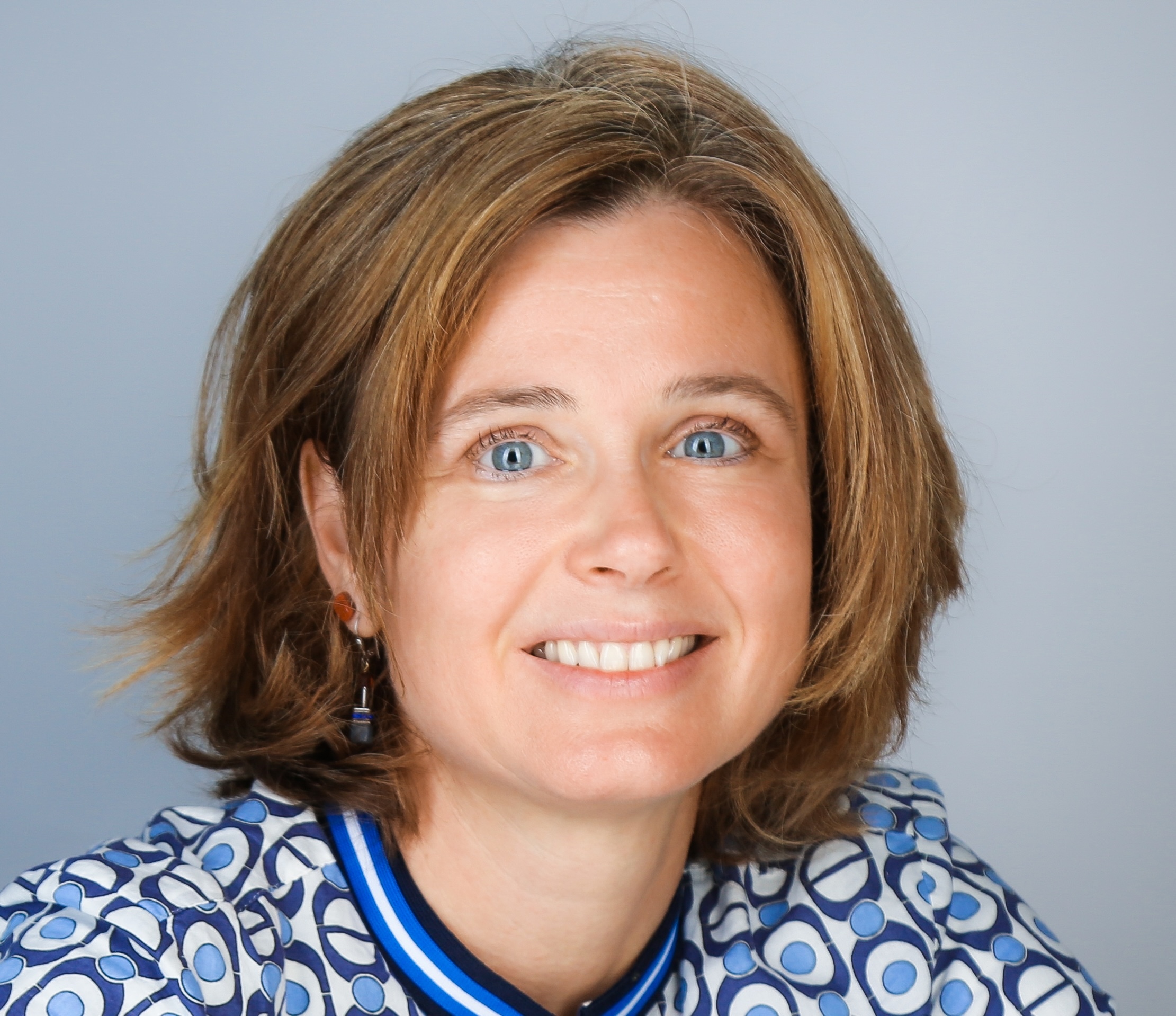
Vera square

Vera Busse, University of Münster (Germany)

Vera Busse is Professor of Education and Multilingualism at the University of Münster. She works on a range of educational issues pertaining to language learning and to teaching in linguistically and culturally diverse classrooms. In particular, she has a keen interest in literacy development. Vera and her team mostly conduct intervention studies with students, but they are also interested in finding ways to better prepare teachers for diversity. Among other projects, her team is investigating how teachers can better develop students’ writing in a diversity-sensitive way, and she has authored various articles on effective instructional strategies and feedback for struggling writers.

Keynote: Bridging Research and Classroom Practice: Improving Writing in Diverse Primary Classrooms
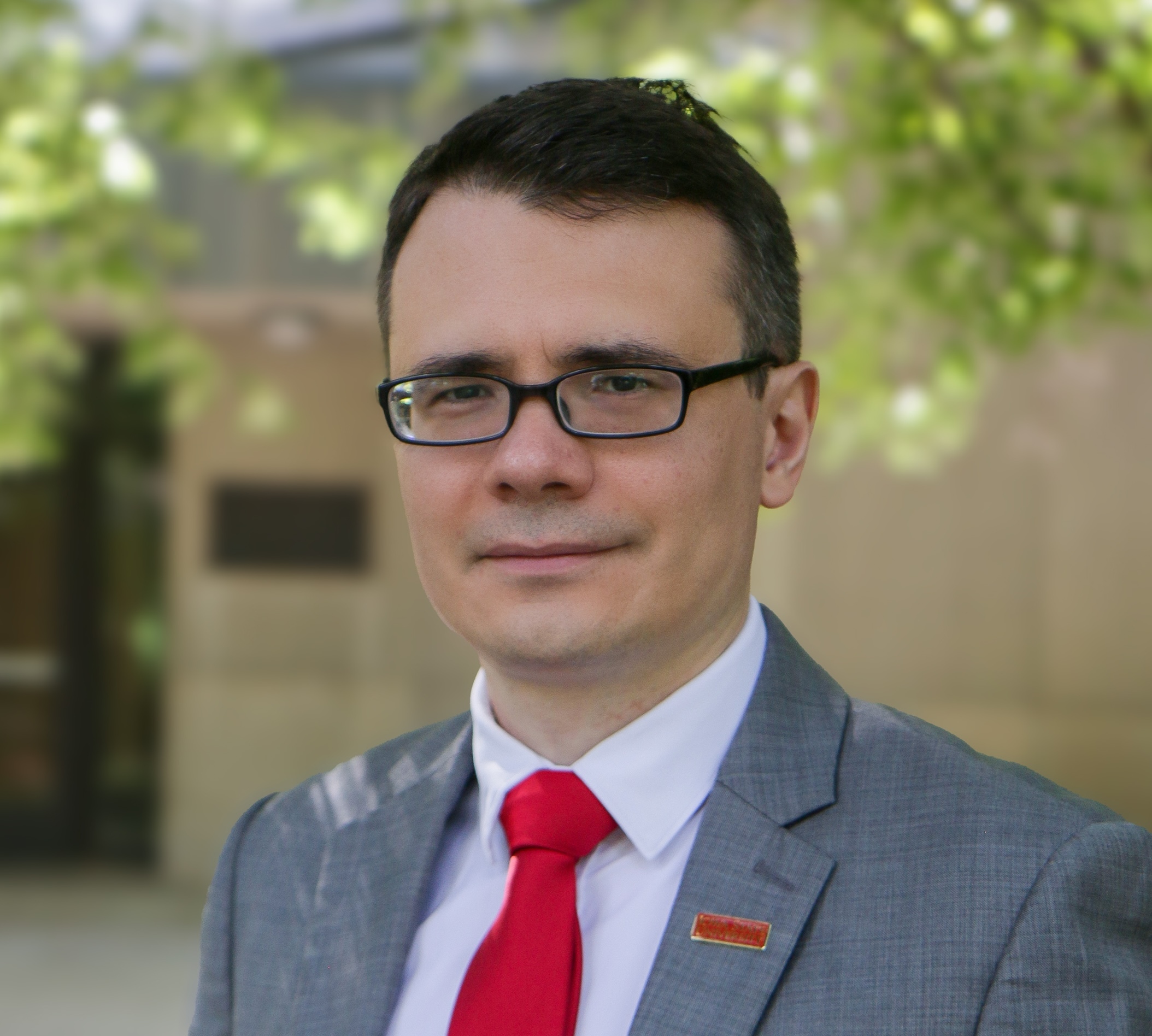
Evgeny1 square

Evgeny Chukharev, Iowa State University (USA)

Evgeny Chukharev is an Associate Professor in the Applied Linguistics and Technology program at Iowa State University. He directs the Language Processing, Acquisition and Change Laboratory (PACE Lab), supported by grants from the U.S. National Science Foundation, the U.S. Department of Agriculture, and Educational Testing Service. His research program advances the interdisciplinary cognitive science of language, integrating approaches from computer science, psycholinguistics, and the learning sciences.

Keynote: Cognitive and Ethical Alignment of LLMs with Humans for Writing Research and Instruction

Linnemann

Markus Linnemann, University of Koblenz (Germany)

Markus Linnemann is Professor of Inclusion and Educational Research at the University Koblenz. Trained in educational sciences and holding a PhD in psychology, he works on inclusive teaching and learning in heterogeneous classrooms. One focus of his research is reading and writing research, in particular cognitive processes in reading and writing, writing fluency, and test development. In addition, he is working on the development of diagnostic instruments to support learning processes within a data-based decision-making approach, with the aim of enabling teachers to design inclusive lessons in a reflective way.

Hayes Award Lecture: Writing Fluency in the Perspective of Fluency Research

Venue

20251010 SIG Writing Conference Collage 001

The SIG Writing Conference 2026 takes place at the School of Applied Linguistics of ZHAW in Winterthur, Switzerland.

ZHAW Zurich University of Applied Sciences

Our university is one of the leading universities of applied sciences in Switzerland. In our work in research and development, the ZHAW Zurich University of Applied Sciences concentrates on important societal challenges, with a particular focus on energy and social integration. With locations in Winterthur, Zurich and Wädenswil, the ZHAW is firmly integrated in the local region whilst also collaborating with international partners. There are eight Schools in the University: Applied Linguistics; Applied Psychology; Architecture, Design and Civil Engineering; Engineering; School of Health Sciences; Life Sciences and Facility Management; Management and Law; and Social Work.

Facts & figures (2024):

  • over 14,500 students
  • over 3,600 employees

School of Applied Linguistics

The School of Applied Linguistics is unique in Switzerland. And we mean this quite literally: no other Swiss university of applied sciences houses a department dedicated to the field of linguistics. What's more, it is also one of the biggest of its kind in Europe. In the areas of teaching and research, we generate and pass on practical, innovative knowledge and skills that can be put to profitable use in language, media and communication professions – using artificial intelligence and creating human added value in the process.

Experts in applied linguistics clarify, analyse and resolve social problems in which language and communication play a key role. Collaborating with experts from other academic disciplines and the realm of professional practice, they generate new knowledge and put this to work. Their solutions are sustainable, not only benefiting society as a whole, but also the area of professional practice being investigated. Applied linguists thus adopt a transdisciplinary approach.

Our research, academic programmes and advisory services focus on domains such as business and technology, justice and administration, healthcare and educational institutions as well as mass media and public communication. The findings generated by our research activities are incorporated directly in our training and continuing education courses, allowing us to promote professionalisation not only in language and communication work, but in all areas in which communication plays a decisive role.

Our buildings and facilities are accessible with wide floors, no steps at the entrance, two lifts and wide stair cases, re-arrangable tables and chairs, silent areas, large number of power outlets. We do have a security concept in place and trained first responders on duty. Do not hesitate to contact us for questions and further assistance!

Winterthur

Surrounded by parks, forests and the surrounding idyllic region, Winterthur has undergone a rapid transformation in recent years from a traditional industrial city to a modern and innovative location for education and technology. With the charming old town at its heart, Winterthur invites you to enjoy its pretty alleyways and stores as well as cozy restaurants and cafés.

Not only the city, but also the region around Winterthur invites you to enjoy. Hikers and cyclists get their money's worth: the idyllic Töss Valley or the Zurich wine country with its lakes, fields, vineyards and the Rhine are ideal for an excursion into nature.

Discover Winterthur

Program

The program covers:

  • Two keynotes (will be streamed)
  • Hayes Award Lecture from the recipients of the 2024 John R. Hayes Award of the Journal of Writing Research (JoWR)
  • Scientific program in parallel sessions with symposia, talks, posters, round tables, and demonstrations
  • SIG Writing Business Meeting
  • Cultural outing (guided tours through the city of Winterthur, the old insdustrial complex, or the university library)
  • Conference Dinner at the Concordia in Winterthur (limited places)
  • Awards:
    • 2026 John R. Hayes Award of the Journal of Writing Research (JoWR)
    • 2026 Best Early Stage Short Talk (BESST) Award for a research presentation during the Research School preceding the SIG Writing Conference
SIG Writing Programmes V5

Final program structure

More details in the book of abstracts (PDF) for download below and on the detailed program website.

Final detailed program and book of abstracts

Have a look at the schedule of parallel sessions, keynotes, and social events. The website allows you to browse and filter by day, session, theme (clustered keywords), presentation type, person, role of persons, country, institution. You can export session information as iCal for import into your calendar to put together your personal schedule for SIG Writing 2026.

Program website

Book of Abstracts (PDF)

Book of abstracts title page

The program has been finalized as of May 20, 2026. All further changes will be communicated on-site.

Note that rooms might change due to requirements for presentations, available equipment, and security considerations.

Program website and book of abstract have been produced by students of the Zurich University of Applied Sciences for the course Project Technical Documentation.

Registration

Registration is closed! For any questions, please contact the organizers at sigwriting26@zhaw.ch

When registering, you will be able to communicate dietary restrictions, book a ticket for the dinner (limited places, currently sold out) and indicate your preference for the cultural outing.

Registration and payment is handled via an event shop from ZHAW, you will receive a confirmation message and an invoice. Payment is done via credit card (or TWINT or Postfinance). Bank transfer is not possible! You will receive an invoice along with the confirmation message after registration and payment.

Please make sure to input your name is it should appear on your badge. If you register several colleagues make sure to write their names correctly for each one. Write the name of your institution/affiliation as it should appear on the invoice and also on your badge in the field for "company."

To profit from reduced fees for EARLI members and EARLI JURE members, you need to become an EARLI (JURE) member first!

Registration fees

Early Bird before April 29, 2026

  • EARLI members: CHF 330
  • JURE members / (PhD) students: CHF 310
  • non-members: CHF 400

Registration after April 30, 2026

  • EARLI members: CHF 370
  • JURE members / (PhD) students: CHF 330
  • non-members: CHF 450

Registration fees cover:

  • Coffee breaks and lunch on all days
  • Welcome Reception
  • A sustainable and practical gift
  • Cultural outing: guided tours through the old town of Winterthur, the refurbished industrial complex of Winterthur, or the university library (also a refurbished former industrial building)

Dinner has to be paid extra.

Financial Support

We can offer a limited number of travel grants—CHF 500 each—for financial support for EARLI JURE members of SIG Writing from Low-GDP qualifying countries according to the regulations of EARLI (see here) who are presenting participants of the conference. Information on how to apply will be sent to authors involved with accepted submissions only.

Travel Information

How to get there

Winterthur is easily reachable by train from major cities across Europe via Zurich, where trains to Winterthur can be taken. Consult the SBB (Swiss Federal Railways) website for train information in Switzerland.

The nearest airport is Zurich (ZRH), which serves international flights from all around the world. It's less than 20 minutes by train from ZRH to Winterthur. However, Winterthur can also be reached via train from the airports Basel (BSL), Geneva (GVA), or Munich (MUC)—although traveling by train from Munich to Zurich takes some time.

The School of Applied Linguistics is located close to Winterthur main train station.

Visa

Switzerland is part of Schengen, but not a member of the European Union. Please visit the Swiss Government's Visa and entry to Switzerland page for information on whether you require a visa and how to apply.

The minor but important things: water, power, internet

Usually, all tap water is drinking water. You will also find quite some fountains in public spaces, also all with drinking water. As a rule of thumb: if the running water from a fountain is easily reachable—e.g., you do not need to climb over a fence—it is save to drink. There will be signs if water is not safe for drinking.

In Switzerland, power plugs and sockets (outlets) of type J (also known as T13) are used, see here. Europlugs do fit. The standard voltage is 230 V at a frequency of 50 Hz.

In Switzerland you will find open WiFi at various public places like train stations, market squares, libraries, etc. Restaurants and hotels offer WiFi for guests with a password or are open as well. At the conference venue, we will provide Internet access with a password. You can also use Eduroam.

Hotels

We have secured room blocks at selected hotels for conference participants with House of Winterthur. These rooms are offered at fixed, preferential conference rates and can be booked easily and securely via our accommodation partner, Kuoni Tumlare, on the HotelMap platform. Room blocks are available on a first-come, first-served basis and may close once fully booked or a few weeks before the conference start date.

We are aware that hotel prices in Switzerland in general are rather high, please also make use of AirBnB and similar offers.

Please note that the conference organizers are not responsible for hotel bookings or accommodation services. Bookings must be made individually by participants, who are responsible for their reservations, including any changes or cancellations, in accordance with the hotel’s terms and conditions. If the room blocks are sold out, additional accommodation options with regular prices can also be found via HotelMap.

Beware of fraudulent phishing emails targeting conference attendees; you should only book accommodation via HotelMap (offered by House of Winterthur) or other trusted platforms. Do not disclose personal or payment information in response to unsolicited emails (e.g., from addresses such as reservations(at)royal-visit.com).

Book a hotel via HotelMap

Call for proposals

Presentation formats are Paper, Symposium, Poster, Roundtable, and Demonstrations.

Paper

Paper

The abstract of 250-350 words (including any references) should include:

  • Research topic / aim
  • Theoretical framework / area of investigation
  • Methodological design
  • (Expected) conclusions / findings
  • Relevance to domain of writing and other forms of text production
  • Four keywords

No extended summary is needed. Paper presentations will be scheduled in 90-minute sessions of three papers with similar topics.

Paper sessions are scheduled for 90 minutes. Three presenters are given 20 minutes presentation time followed by 10 minutes for questions.

Symposium

Symposium

Symposia provide an opportunity to present research on one topic, often from multiple perspectives, compiling a coherent set of papers for discussion.

Symposia include 3 papers, a named chair and a named discussant, who will offer a critique of the symposium and its papers, and facilitate participation and discussion.

At least 3 countries need to be represented in a symposium in the roles of presenter, chair, and discussant.

A symposium is submitted as a single submission that includes a description of the symposium (250-350 words) and the abstracts for all the papers to be presented as part of the symposium (250-350-word abstract per paper). No extended summary is needed.

It is possible to link two or more symposia together. Indicate in the title of each of the linked symposia the order in which they should be presented. When possible, the parts will be allocated in non-parallel time slots in the order suggested by the proposers.

Symposia consist of one 90-minute session organized by the submitters. Two weeks prior to the conference, the organizer needs to provide the discussant with the presentations included in the symposium.

Roundtable

Roundtable

Roundtables are organized for researchers who wish to focus on a specific topic, theoretical or methodological issue, and discuss and debate the topic for 90 minutes.

The organizer of a roundtable submits a proposal with a plan for the roundtable that includes the title for the roundtable and an abstract of 250-350 words (including any references), in which the topic and objective of the roundtable is stated.

Roundtable sessions are scheduled for 90 minutes. Each presenter has 5 minutes to introduce his/her project/challenge and raise one or two open questions. The main part of the session is intended for discussion.

Poster

Poster

The research poster is a popular method of presenting research findings succinctly through a combination of text and graphics.

All poster authors will present in a poster session where they should be prepared to explain and answer questions about their research to those attending the Poster Exhibition.

The abstract should be 250-350 words (including any references). No extended summary is needed.

Poster sessions are scheduled for 90 minutes. The posters will be visible also after the dedicated poster sessions to foster interaction and networking. You can combine a submission of a poster with a submission of a demonstration.

Demonstration

Demonstration

Authors will present a live demonstration using their own laptop and other necessary equipment and/or devices. Software simulations or videos can also be used during the demonstration session.

The proposal consists of an abstract of 250-350 words (including references) presenting a tool or method, its novelty and applicability.

Demonstration sessions are scheduled for 90 minutes and cover several demonstrations. Presenters give a 5-minute overview of their project/applicaton after which the audience will engage with the presenters. You can combine the submission of a demonstration with a submission of a poster.

Submissions

UPDATE: Submission is closed, we received 203 submissions which will now undergo review!


All proposals must be written in English and submitted using the online submission system: https://www.earli-eapril.org, submission will close on December 17, 2025. Please note that this is a firm deadline and will not be extended! This way we can start the review process accordingly.

Please also sign up to act as reviewer for the conference https://www.earli-eapril.org/my-reviews

Please make sure to read the following information before preparing your proposals.

Restrictions on Number of Submissions and Roles

To ensure a good balance of people actively presenting at the SIG Writing Conference 2026 and being involved in activities, we implemented a few restrictions. A single researcher can only be:

  • 3 times the presenting author
  • 1 time a discussant for a symposium
  • 1 time a chair of a symposium
  • 4 times a co-author of any presentation

Each person can submit up to 8 proposals—for a larger research group or project, one person should thus be able to hopefully submit all contributions they are part of. Co-authors can submit proposals with a different person as presenting author, etc.

Access to the Submission System

To submit a proposal, you need your user name and password for the EARLI system. If you never used any service by EARLI, you first need to create an account.

On the User Dashboard, you find the section "My Submissions." Click "New Submission" and the entry for "SIG Writing Conference 2026" has two options "New submission" (to submit a paper, poster, roundtable, or demonstration) and "New symposium" (to submit a symposium). In the meta data section, please choose exactly 4 keywords matching your submission. The keywords are used to assign reviewers and later help assembling the program accordingly.

When adding participants to a submission, please note that Presenting Authors or Chairpersons must have an account. When entering a presenting author / potential chairperson please ensure that the e-mail address entered here matches the one entered in their account—you might need to ask all persons specifically for the e-mail address they use with EARLI.


Important Dates

Please consider the following important dates in preparing for the SIG Writing 2026 conference:

  • Submission closes

  • Review deadline

  • Notification of acceptance

  • Registration opens

  • Early bird rates close

  • Registration closes

  • Research School

  • Main conference

Support

SIG Writing 2026 is supported by several organizations and institutions. They act as sponsors and support the organizational teams.

Snsf se

SNSF Grant Scientific Exchanges

SIG Writing 2026 Conference and Research School get financial support from the SNSF (Swiss National Science Foundation) instrument Scientific Exchanges as scientific event.

Image001

CLARIN-CH

CLARIN-CH is the Swiss national node of CLARIN, a pan-European research infrastructure aiming to render accessible all digital language resources and tools from all over Europe through a single sign-on online environment. CLARIN-CH is a Silver Sponsor of the SIG Writing 2026 Conference and the SIG Writing 2026 Research School!

Logos sip

ZHAW Sustainable Impact Program

ZHAW Sustainable supports SIG Writing 2026 Conference and Research School as a project within their «Sustainable Impact Program» (SIP) by funding water bottles for participants.

Fhnw logo en

FHNW School of Education

The School of Education of the University of Applied Sciences and Arts Northwestern Switzerland (FHNW) supports the organization of SIG Writing 2026 Conference and Research School

Csm 2506 Header Website 32ece14661

ZHAW Digital

ZHAW digital is the driving force behind digital transformation at the ZHAW. The initiative supports, promotes and connects people and their innovative ideas, projects and plans.

Students of BA Multilingual Communication

Students in the specialization Information Design produce the book of abstracts as a project in Technical Documentation.

Students of BA Language and Integration

Students are involved in the conference bureau, registration desk, technical support for presentations, etc.

Csm 243 mb aussenansicht hinten2 3a387305de

ZHAW University Library

The library is open as place for reading and writing. It is located in a refurbished industrial building and worth visiting! During the cultural outing, you have the opportunity to join one of the guided tours to get to know about the refurbishing process and about who a modern university library positions itself. Also: watch the video about our library!

Organizing Committees

Conference Chairs

Cerstin Mahlow (ZHAW), Liana Konstantinidou (ZHAW), Daniel Perrin (ZHAW)

sigwriting26@zhaw.ch

Organizing Support

Sibylle Hurschler Lichtsteiner (PH Lucerne), Stefan Daniel Keller (PH Zurich), Afra Sturm (FHNW), Mirjam Weder (University of Basel)

Local Organizers

Cerstin Mahlow, Liana Konstantinidou, Renate Balogh, Maren Runte, Nadja Spillmann, Margo Ulasik